Before the Drill Comes Out: What UK Leaseholders Need to Know About Fitting Air Conditioning
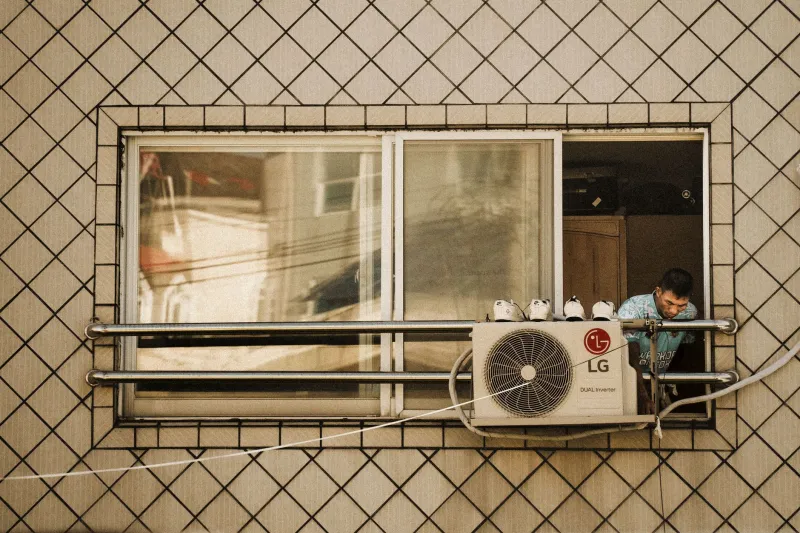
Air conditioning in a flat sounds straightforward until you read the lease. Then come the questions. Can you fix a unit to the outside wall? Where does the condensate go? Will the freeholder say yes? Will the neighbour below say something less polite?
For leaseholders and tenants, the technical specification is only half the job. The other half is permission, pipework and peace. Get those right early and the installation is far less likely to become a headache. Get them wrong and you can end up with a system you’re allowed to use but not allowed to keep.
This isn’t legal advice, and every lease is different. But these are the practical questions worth asking before you buy anything.
Read the lease before you read the spec sheet
Your lease is the rulebook. Look for clauses about alterations, additions, external appearance, pipework, noise and nuisance. Some leases require written consent for anything fixed to the building. Others are more relaxed about internal works but strict about anything visible from outside.
Check whether you own the external wall or whether it’s shared or belonging to the freeholder. Check what the lease says about running pipes or cables through communal areas. Check whether there are restrictions on equipment that could cause noise or vibration.
If you’re renting, you need your landlord’s consent as well as the freeholder’s. Don’t assume the landlord’s nod covers the building’s rules. It usually doesn’t.
Consent is a process, not a nod
In many blocks, you’ll need consent from the freeholder, the managing agent or the residents’ management company. Sometimes it’s called a licence to alter. Sometimes it’s a simpler written approval. Either way, get it in writing before work starts.
Ask what the consent process involves. There may be a fee, a standard application form, conditions about approved installers, or requirements for insurance and making good afterwards. Ask how long it takes. Ask what happens if you sell the flat — will the next owner need to take on any conditions?
A short email chain now is much easier than a dispute later. Keep drawings, photos and the final approval in one folder.
Planning, listed buildings and conservation areas
Flats don’t automatically get the same planning freedoms as houses. External units, especially on front elevations or visible roofs, can need planning permission. Conservation areas and listed buildings add another layer. If your flat is listed, or sits within a listed building’s curtilage, you may need listed building consent for work that affects the building’s character.
Even where permission isn’t strictly required, appearance matters. A boxy outdoor unit on a period façade can attract attention nobody wants. Ask the local planning authority early if you’re unsure. It’s far cheaper than finding out after installation.
The pipework problem
This is where many flat installations get interesting. An air-conditioning system needs refrigerant pipework and, usually, a condensate drain. The indoor unit may look neat, but the route between inside and outside has to go somewhere.
Condensate is the watery by-product of cooling. It must drain somewhere sensible. Dripping it down an external wall is not sensible. It can stain masonry, annoy neighbours and cause damp. Ideally, the condensate should connect to an internal waste pipe or a suitable drainage point. If gravity won’t do the job, a condensate pump may be needed — and that needs power, access and a little noise consideration.
Refrigerant pipework should be as short and direct as practical, properly insulated and neatly protected. Ask how the installer plans to route it, especially if it has to cross a communal hallway, a ceiling void or a shared wall. If the route involves communal property, you’ll need permission for that too.
Outdoor unit placement and neighbour noise
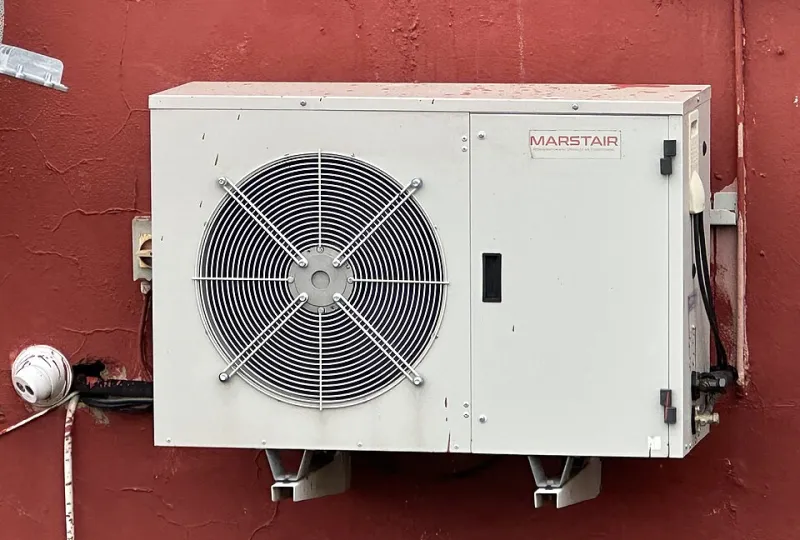
Outdoor units need airflow, clearance and a secure fixing. They also need to be placed with other people in mind. A unit mounted on a shared wall, a balcony rail or a courtyard wall can transmit vibration and low-level noise into neighbouring rooms.
Ask the installer to think about sound from the start. Quieter units exist, anti-vibration mounts help, and location makes a big difference. A unit tucked away from bedrooms and seating areas is usually a better neighbour than one bolted to the most convenient wall.
Talk to neighbours early if the unit will be near their windows, balcony or garden. You don’t need their permission in every case, but a friendly conversation before the drill arrives can prevent a complaint afterwards. If the lease or planning conditions include noise limits, make sure the proposed system can meet them.
Listed buildings and visual impact
Older buildings deserve a separate pause. Listed building consent may be needed for external equipment, and conservation officers will care about visibility, materials and irreversible damage. Sometimes a solution can be hidden or placed at the rear. Sometimes it can’t be done in the way you first imagined.
Get advice before ordering equipment. A supplier’s return policy is not a substitute for consent.
Questions to ask before anyone drills a hole
A good installer should welcome these questions, not dodge them.
- What does my lease say about external units and pipework?
- Who needs to give consent, and what form does it take?
- Will the outdoor unit be visible from the street or a neighbour’s flat?
- Where will the condensate drain go?
- How will the pipework be routed and made good?
- What noise level will the unit produce, and how will vibration be reduced?
- Are there planning or listed-building restrictions?
- What maintenance will the system need, and can I access it easily?
A calmer next step
Start with the paperwork, not the product brochure. Find your lease, ask the managing agent what consent is needed, and get written answers before you commit. Then choose an installer who can explain drainage, routing and noise in plain English — and who is happy to put the plan in writing.
Air conditioning can make a flat far more comfortable, especially in a heatwave or a stuffy top-floor conversion. But in a leasehold building, comfort comes from more than cool air. It comes from knowing you’ve done the permission, pipework and peace part properly.