The First Warm Evening: What Your Radiator's Dusty Smell Is Really Telling You
There is a particular evening in November when the whole house seems to make a decision. The jumpers are not quite enough, the sofa throws have lost their novelty, and someone finally turns the heating on. Ten minutes later, a faint dusty, metallic smell drifts through the hall. It is not quite burning, not quite hot metal, and not quite the smell of summer being over — although it is a bit of all three.
If that sounds familiar, you are not alone. The first fire-up of the season is a very British ritual, and that smell is usually less dramatic than it seems. It is also a useful clue about what has been settling in your home's air while the windows were open and the radiators were cold.
Why the first heat of winter smells like a dusty bookshelf
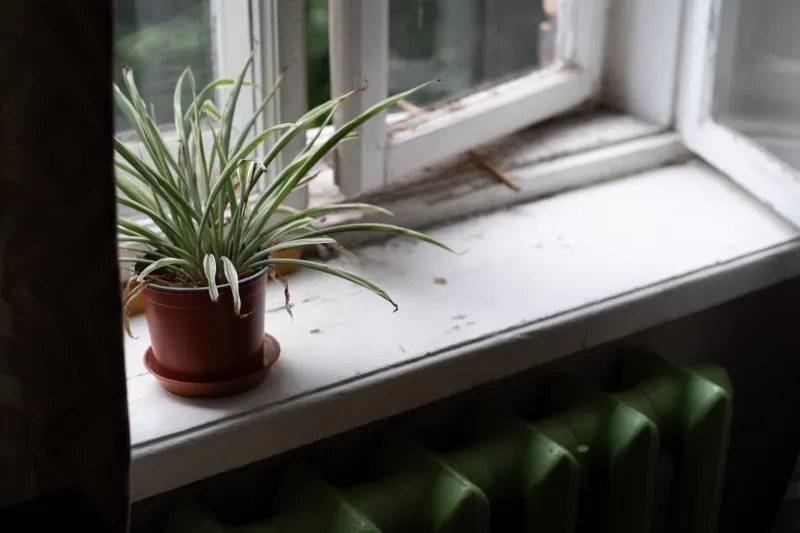
Most of the time, the culprit is dust. Over the warmer months, fine particles settle on radiator fins, behind convector panels and across the tops of skirting boards. When the heating comes on, that dust warms up, dries out and gets lifted into the air by convection. The result is that toasted, slightly metallic smell that seems to appear from nowhere.
Newer radiators and electric heaters can also have a light coating of manufacturing oil or paint residue. The first few uses warm that coating up, and the smell fades as it cures. Electric convector heaters and oil-filled radiators are especially prone to this because their elements get hotter than a standard wet radiator.
A wet radiator itself is not really burning dust — it is full of hot water, not fire. But the warm surface starts a small cycle of air movement, and any dust nearby gets carried upwards. In a home that has been closed up for a few weeks, that can be enough to make the whole room smell like an old library on a hot day.
When it is harmless — and when it deserves a closer look
A faint dusty smell that appears on the first heating of the season and fades within half an hour is usually nothing to worry about. Open a couple of windows, let the room air out, and see if it settles. If the smell returns every time the heating comes on, though, it is worth investigating rather than simply lighting a candle and hoping for the best.
Some smells are a clear signal to stop and call an engineer. A sharp burning-plastic smell, a fishy odour, smoke, soot or a smell that lingers long after the heating has warmed up should not be ignored. The same goes for any smell coming from the boiler itself, rather than the radiators. Gas appliances should be checked by a qualified engineer, and a carbon monoxide alarm should be fitted and tested regularly.
If the smell is accompanied by headaches, dizziness, nausea or a yellow rather than blue boiler flame, treat it as urgent. That is not a seasonal nuisance; it is a safety issue. For everything else, think of the first heating day as a prompt to do a quick air reset rather than a reason to panic.
A room-by-room reset before winter settles in
Start in the living room, where radiators tend to collect the most dust. Vacuum between the fins with a soft brush attachment, and dust the tops and behind the panels. Do not use a wet cloth on an electric heater that is plugged in, and never vacuum inside an electrical appliance. A dry microfibre cloth and a careful vacuum are usually enough.
In the bedroom, the goal is fresh air rather than a full deep clean. Strip the bed if it is due, vacuum under the bed, and open the window for ten to fifteen minutes before the heating comes on. That short burst of ventilation replaces stale air and reduces the chance of that warm, heavy feeling that builds up in bedrooms during winter.
In the kitchen, check the extractor fan filter. If it is greasy, wash or replace it according to the manufacturer's instructions. A blocked filter does not just reduce extraction; it can leave cooking smells and moisture circulating through the house. In the bathroom, run the extractor fan during showers and for a little while afterwards, and keep the trickle vent open if you have one.
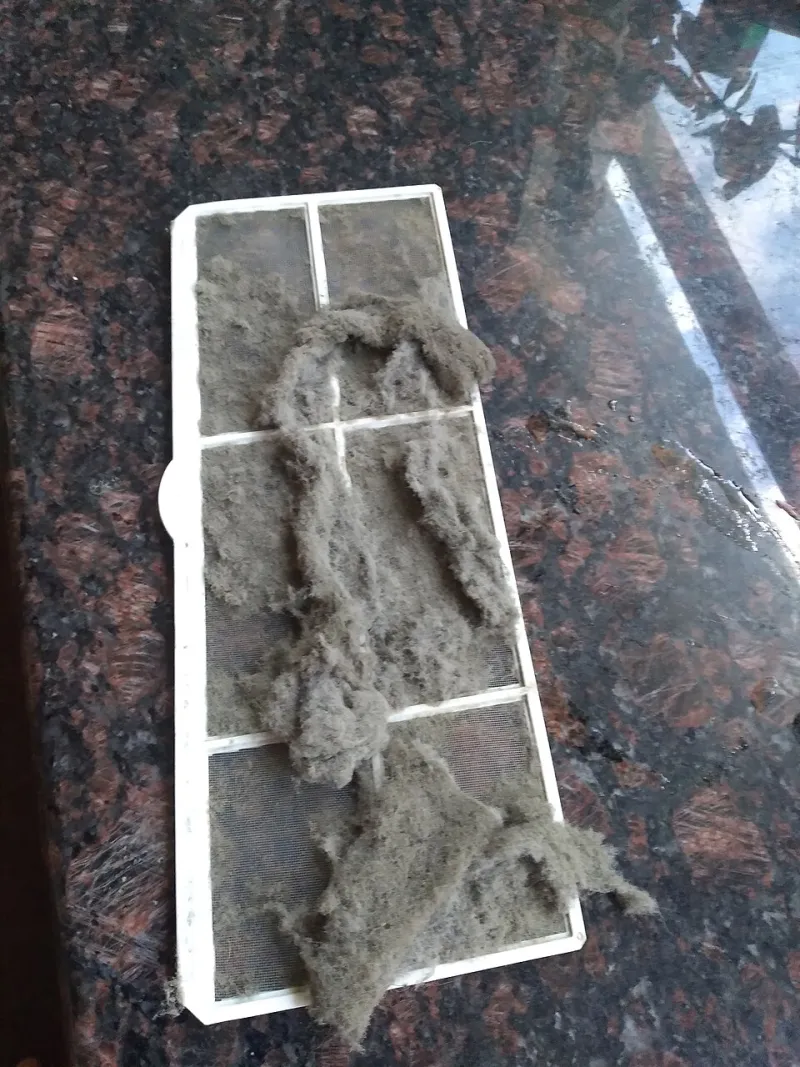
If your home has mechanical ventilation, a heat-recovery system or air conditioning that also heats, check the filters. A clogged filter will move less air, work harder and spread that dusty smell around more efficiently. Clean or replace according to the manufacturer's guidance, and book a service if it has been more than a year.
Clear the air, not just the dust
Heating does not dry the air in the way people often think — it lowers relative humidity as the temperature rises. That can make rooms feel drier, but it does not mean the air is clean. The best approach is still short, regular ventilation: windows open for a few minutes rather than cracked all day, especially in colder weather.
Keep furniture and curtains clear of radiators so warm air can circulate, and avoid draping wet washing directly over them. That adds moisture to the air and traps dust in the fabric. If your radiators are cold at the top and warm at the bottom, bleed them before winter properly sets in. It is a small job that helps the whole system run more evenly.
Finally, book a boiler service if you have not had one this year. A well-maintained system burns more cleanly, and an engineer can spot the kind of issue that a dusty smell might be masking.
The first warm evening of winter is always a bit of an event. A little dust is normal, a little ventilation goes a long way, and a quick check of your filters and radiators will make the next few months feel fresher. Clear air and home comfort, whatever the weather — that is the whole point.