Homecoming Air: A Sensible Restart Routine After Two Weeks Away
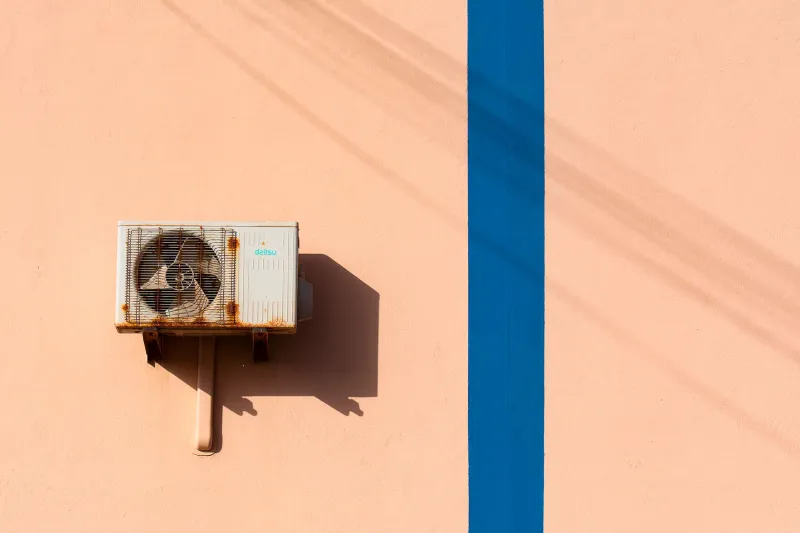
There is a particular smell to a house that has been left alone for two weeks in November. It is not exactly damp, not exactly dust, but somewhere in between — like a suitcase that has been shut too long. You open the front door, drop the bag, and the air feels still. The heating has been off, the windows have been closed, and the air conditioning has been sitting there doing nothing at all.
That is normal. A well-maintained system does not turn into a swamp in a fortnight. But two weeks is long enough for a damp filter to get a bit whiffy, a condensate drain to sit sluggish, and a remote control to lose its last bit of battery life. The trick is not to panic-cool the house the moment you get in. A short, sensible restart routine will tell you far more than a blast of cold air ever will.
Before You Lock Up: A Ten-Minute Air-Con Handover
The best homecoming routine starts before you leave. If you know the house will be empty for a fortnight, give the air conditioning a quick handover rather than simply switching it off and forgetting it.
Start with the filters. Remove them, vacuum off the loose dust, and wash them only if the manufacturer says they are washable. Let them dry completely before refitting — a damp filter going back into a dark unit is exactly the sort of thing that produces a musty smell later. While you are in there, look at the drain pan and the condensate pipe. You are not dismantling anything; just check there is no standing water, no obvious sludge and no kink in the pipe.
Check the remote. Flat batteries are a small annoyance that feels enormous when you are tired and the house is cold. Either replace them before you go or leave a spare pair in the drawer you will actually remember. If your system has an outdoor isolator, leave it in its normal position unless your installer has told you otherwise. The aim is a system that is clean, dry and ready to run — not one that has been switched off in three different places.
Finally, decide how you want the house to sit while you are away. For most UK homes, simply turning the system off at the remote is enough. You do not need to leave it running in some heroic attempt to keep the air moving. A closed-up house will be still. That is what houses do.
What Two Weeks Actually Does Inside the System
An idle air conditioner is not completely asleep. There is still moisture in the drain line, dust on the filter, and a small amount of air sitting in the indoor unit. In a heated home, that would usually dry out quickly. In a cold, empty house in November, it lingers a little longer.
That is why the first thing you notice on return is often a smell rather than a temperature. Bedrooms smell stale because the bedding has been holding the same air. The hallway smells closed because the doors have been shut. And if the air-con filter was already dusty before you left, it will have had a fortnight to settle into that dust like a tiny, unwanted cushion.
None of this means the system is broken. It means it has been idle in a British autumn, which is a fairly damp thing to be idle in.
The First Hour Home: Air Before You Cool
Resist the urge to stand in the hallway and hit the cooling button. The first job is not cooling. It is airing.
Open a couple of windows on opposite sides of the house, even if it is cold outside. Ten to fifteen minutes of cross-ventilation will do more for the smell of a closed-up home than an hour of mechanical cooling. Let the still air out. Let the house remember what fresh air feels like. If it is raining sideways, use the windows that are sheltered and keep it brief — this is about exchanging air, not soaking the carpets.
Once the house has had a proper airing, check the filters again. If they were clean before you left, they should still be reasonably clean. If they are grey and clogged, clean or replace them before you run the system. Then, if your unit has a fan-only setting, run it for twenty minutes or so. This moves air through the system and helps dry any lingering moisture without blasting cold air into a cold room.
Only after that should you think about cooling or heating. And even then, be gentle. A house that has been empty for two weeks does not need to be forced down to some heroic temperature in ten minutes. Let the system do its job gradually.
Filters, Drains and That Faint Musty Edge
A faint musty smell that clears after airing and a fan run is usually just stale air and a slightly dusty filter. A musty smell that stays — or gets stronger when the system starts — is worth investigating.
Check the filter first. Then look at the drain. If there is water sitting where it should not be, or the condensate pipe looks blocked, stop and call someone. Do not start poking at the drain with a screwdriver and hope for the best. A blocked condensate line is a plumbing job, not a guessing game.
If the filter is clean, the drain looks clear, and the smell remains, the issue may be inside the indoor unit — damp insulation, a dirty coil or microbial growth that has taken hold over time. That is not a job for a scented spray or a quick blast of air freshener. It needs a proper service. A musty smell is the system's way of saying something is holding moisture where it should not.
A Small Routine Worth Repeating
You do not need to turn this into a major operation every time you go away. The routine is simple: clean filters before you leave, check the drain, sort the remote batteries, and air the house before you cool it when you get back. Two weeks away should not mean two weeks of musty homecoming.
And if you come back to a house that smells fresh after fifteen minutes of open windows and a clean filter, take the win. That is the system doing its quiet job — and you doing yours.