Under the Roof, Over the House: A Cooling Plan for Loft Conversions
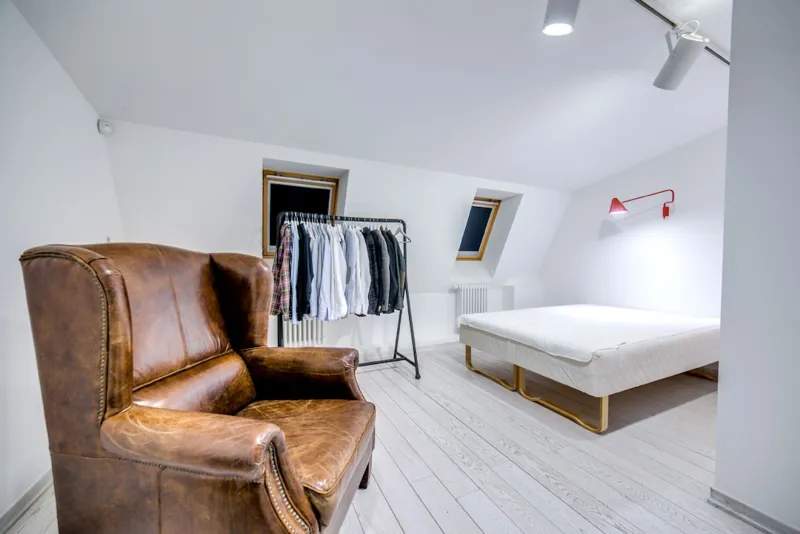
Loft conversions are clever bits of space. They give you a bedroom, an office or a teenage escape pod without eating into the garden. But they also have a habit of running hot. Not just in a heatwave — sometimes on an ordinary sunny afternoon when the rest of the house still feels civilised. The room gets heat from above and below, and the usual bedroom cooling advice often misses both.
Why the loft does the cooking
A loft sits directly under the roof, so it takes the sun on the chin. Slates, tiles and dormer cheeks heat up, and that warmth wants to move inwards. Even with decent insulation, a south-facing roof can keep pushing heat into the room for hours after the sun has moved round. Velux-style windows add another issue: they are lovely for light, but they can act like a greenhouse, especially when they face the afternoon sun.
The second heat source is the house itself. Warm air rises, and stairwells behave like chimneys. In winter that is useful; in summer it means the loft collects the warmth from downstairs, along with any cooking, showering or tumble-drying going on below. Add a low ceiling, a lack of thermal mass and a room full of soft furnishings, and you have a space that holds onto heat long after the rest of the home has cooled.
That is why simply sticking a portable air conditioner in the corner often disappoints. The unit may chill the air immediately around it, but the roof and the staircase keep topping the room up with heat. The job needs a bit more planning.
Shade first, then move the air
Before anyone starts talking about cooling systems, deal with the sun. External shading is usually more effective than anything fitted inside the glass, because it stops the heat before it gets through. That might mean an awning, an external blind, shutters or a seasonal shade sail for a dormer window. If external shading is not practical, a good internal blind with a reflective backing is better than nothing — just accept that some heat will already be inside the room.
Window film is another option for roof windows and large glazed sections. It can cut glare and reduce solar gain without making the room feel like a cave. Check the manufacturer’s advice before fitting it to sealed units, and remember that it is a compromise, not a magic shield.
During the day, keep the loft closed up if it is hotter outside than in. Open windows early in the morning to flush out the overnight air, then close them, draw the blinds and let the room go quiet. This is the opposite of what many of us do instinctively, but a loft does not benefit from a mid-afternoon breeze if that breeze is 29°C.
Night ventilation without the midge festival
Night purging is the loft’s best friend. Once the outside air drops below the indoor temperature, open windows on opposite sides of the room if you can. That cross-flow carries heat out far better than a single window cracked open. Roof windows are excellent for this because hot air leaves high up, but they also invite insects, rain and the occasional curious squirrel.
Insect screens, restrictor arms and rain sensors are worth considering, especially for roof windows that are hard to reach. If security is a concern, fit lockable restrictors rather than leaving a window wide open all night. And if the room is used by children or guests, make sure any openable roof window has a sensible safety limit.
Mechanical ventilation can help when opening windows is not practical — for example, in a noisy location or a leasehold flat where the windows are restricted. A small extract fan or a ducted ventilation system can move stale, warm air out and pull cooler air in, but it needs a proper route and an intake that is not sitting beside a warm roof void. This is one of those jobs where a quick check by someone who understands loft geometry saves a lot of trial and error.
Choosing cooling that respects the bed
The most common mistake in loft bedrooms is pointing a wall-mounted indoor unit straight at the pillow. It feels efficient for about five minutes, then it becomes a draught, a dry throat and a reason to switch the whole thing off at 2am. Cooling a loft is not just about lowering the number on a thermostat; it is about making the air comfortable where people actually lie.
High-level wall units can work well if the airflow is directed along the ceiling rather than down into the room. Ducted systems can be neater, but they need ceiling void, access for maintenance and careful diffuser placement. A portable unit is better than nothing, but it needs somewhere to exhaust the hot air — usually through a window or a dedicated vent — and it will make noise.
Ask for a system with a quiet night mode, adjustable louvres and a sensible inverter-driven output. An oversized unit will cool quickly and then cycle on and off, which is not always comfortable. A slightly smaller unit running steadily is often the better bedroom companion. Also check where the condensate will go. Loft installations often need a condensate pump, and that pump needs power, access and a route that will not freeze or leak into the ceiling below.
The checks that matter before signing
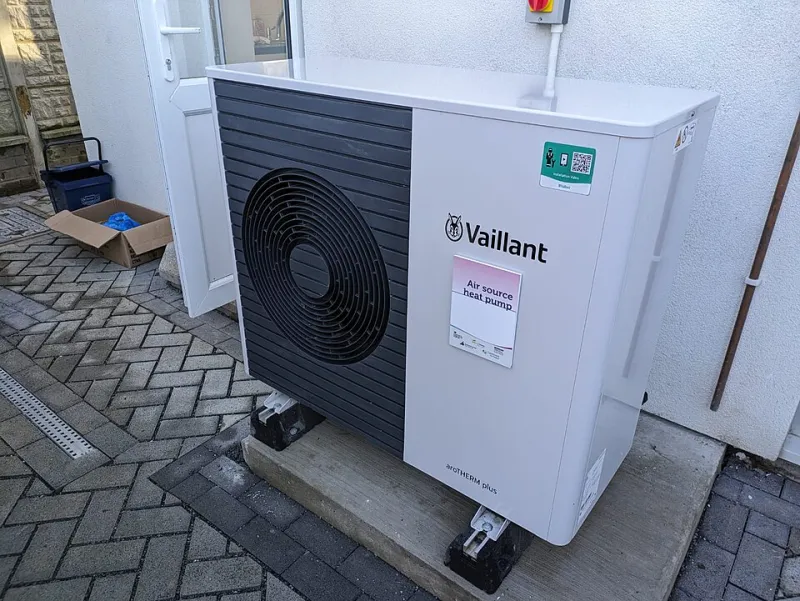
Before choosing a system, look at the whole room. Is the loft insulated to a decent standard? Are there draughts around the eaves that make heating and cooling harder to control? Is the roof window shaded? Is there space outside for an outdoor unit that will not annoy you or the neighbours? For flats and leasehold properties, check the lease and speak to the freeholder before drilling anything into an external wall.
Also think about servicing. Filters need cleaning, coils need checking and condensate drains need clearing. A system tucked into an inaccessible loft corner may look tidy on day one and become a nuisance by the first service. Leave access panels where they are needed, and keep the manual somewhere you will actually find it.
A sensible sequence
Start with shade and window habits. Then improve night ventilation. Only then choose mechanical cooling, and size it for the room rather than the worst heatwave you can imagine. A loft conversion can be a comfortable room in July, but it needs to be treated as its own little climate — one with a hot roof above, a warm house below and a bed that should not be turned into a wind tunnel.
If you are unsure where to start, a home air check-up is often cheaper than guessing. All Seasons Air can help you work out whether the problem is solar gain, poor airflow, an undersized ventilation path or simply a cooling unit pointing the wrong way.