Leave the Lid Off: What Your Outdoor Air-Con Unit Really Needs in a British Winter
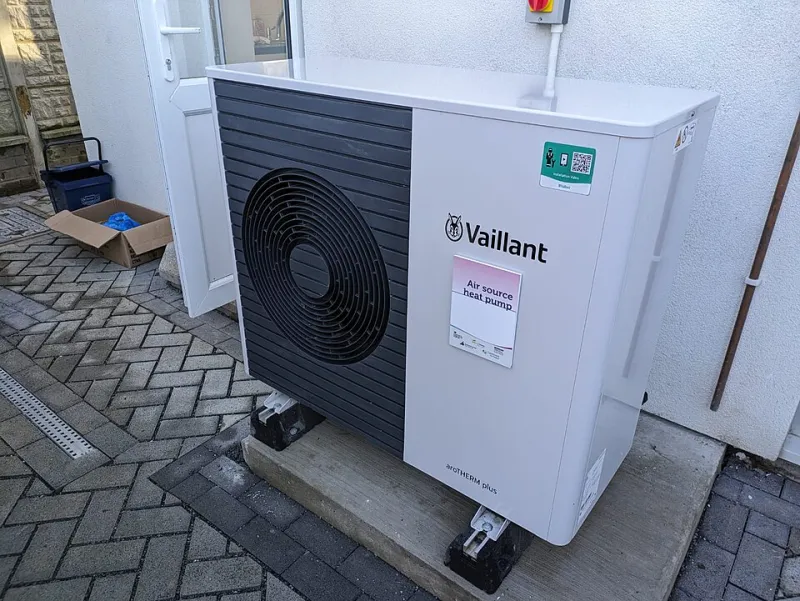
Photo: Southend-on-Sea Borough Council, UK, CC0, via Wikimedia Commons
There is a moment every autumn when the outdoor unit catches your eye. Maybe it is the first properly cold morning, or the weekend you clear the gutters and notice a slick of wet leaves against the grille. The instinct is understandable: it looks exposed, so surely it needs protecting? A cover seems like the tidy, caring thing to do.
For most air-conditioning and heat-pump condensers in the UK, that instinct is best resisted. The outdoor unit is built to sit outside. What it needs is airflow, drainage and a bit of seasonal attention — not a snug little jacket that keeps the damp in.
The cover myth: protection from what, exactly?
A condenser is not a garden chair. It is designed to run in rain, sleet, cold snaps and the sort of grey, drizzly week that never quite gets light. Its casing, fan and coil are engineered for outdoor conditions. A fitted cover may keep off some rain, but it also blocks the movement of air that the unit depends on.
When moist air gets trapped under a cover and then cools, condensation has nowhere to go. Metal parts stay damp for longer. Leaves and grit collect in the folds. Insects and small creatures find a sheltered spot. You have not protected the unit so much as built it a small, humid microclimate.
If the system is switched off for the season, the same rule still applies. A sealed, non-breathable cover can trap moisture for weeks. In a British winter, that is a recipe for corrosion and grubby growth, not cosy hibernation.
Frost is normal — ice is the thing to watch
On a cold morning, a thin layer of frost on the outdoor unit is not a fault. Air-source systems often go through a defrost cycle, briefly warming the coil to melt frost that builds up during operation. You may see steam or water dripping away, and the fan may pause. That is normal behaviour, not a sign that the unit is struggling.
What you should not do is chip ice off the casing, pour hot water over it, or try to speed things up with a hairdryer. Sharp tools can damage the coil fins, and hot water can crack cold components or refreeze somewhere worse. If ice is thick and persistent, or the unit is repeatedly frosting up and not clearing, call an engineer. That is a maintenance issue, not a covering issue.
Make sure the drainage route is clear. In winter, meltwater needs somewhere to go. If the condensate pipe or drain outlet is blocked by leaves, silt or a frozen puddle, water can back up. A quick check now is far easier than a repair later.
Snow, leaves and the space around the unit
The best winter protection is boringly simple: keep the area clear. Snow can pile up against the unit and block airflow. Leaves can plaster themselves to the grille. Bags, bins, plant pots and stored garden furniture can creep into the clearance zone without anyone noticing.
Brush loose snow away from the sides and top with a soft broom. Do not bury the unit in a snowdrift and do not stack anything against it to “insulate” it. Check the manufacturer’s recommended clearance and stick to it. A little breathing room is worth more than any accessory.
If you live near the coast, salt-laden air is worth keeping in mind. A gentle rinse of the casing at the right time of year — following the manufacturer’s guidance and avoiding electrical parts — can help, but the main job is keeping the coil and drain areas free of debris. If you are unsure, leave cleaning to a professional.
Before the first hard freeze
A short pre-winter check covers most of what matters:
- Clear leaves, twigs and grit from around the unit and from the grille.
- Check that the condensate drain is not blocked.
- Look for obvious damage to the fins, fan or casing.
- Make sure the outdoor unit is stable and not sitting in a puddle.
- Remove anything leaning against it.
- Run the system briefly, if it is safe to do so, and note any unusual noise or repeated defrosting.
If you have not had a service in a while, autumn is a sensible time to book one. An engineer can check pressures, electrical connections, drainage and coil condition — the things a cover cannot fix.
When a cover is actually reasonable
There are exceptions. If a manufacturer specifically recommends a breathable cover for long periods of inactivity, follow that guidance. If building work is creating heavy dust, a temporary sheet may be sensible while the system is off — but it should be removed afterwards, not left on until spring. And if you are storing a portable unit, that is a different situation from a fixed outdoor condenser.
For a fixed unit in normal use, the default answer is no cover. If you want to shield the top from falling debris, use a rigid, well-ventilated cover that leaves the sides open and is approved for the purpose. Never wrap the unit while it is running.
The takeaway
Your outdoor unit is tougher than it looks, but it is not invincible. It does not need to be tucked in for winter. It needs clear air, a working drain, sensible clearance and a bit of attention before the cold settles in. Skip the waterproof wrap, pick up the fallen leaves, and leave the condenser to do the job it was designed for.